The luxury hospitality sector is undergoing a profound shift, and not in the ways you might expect. While 2024’s hotel openings focused on eye-catching art collections and Instagram-worthy moments, 2025 marks a more foundational change: a comprehensive reimagining of how hotels serve their communities.
This evolution speaks to the core of what luxury means today. In the coming year, the industry is grappling with its deeper purpose—where heritage trains become mobile cultural ambassadors and forgotten architectural gems are transformed into dynamic community spaces. We are witnessing a movement toward preservation that doesn’t just preserve history but actively engages with it, creating public spaces that dissolve boundaries between guests and locals, and wellness sanctuaries inspired by indigenous traditions.
Here are 10 standout hotels to keep an eye on in 2025:
1. Palm House | Palm Beach, Florida
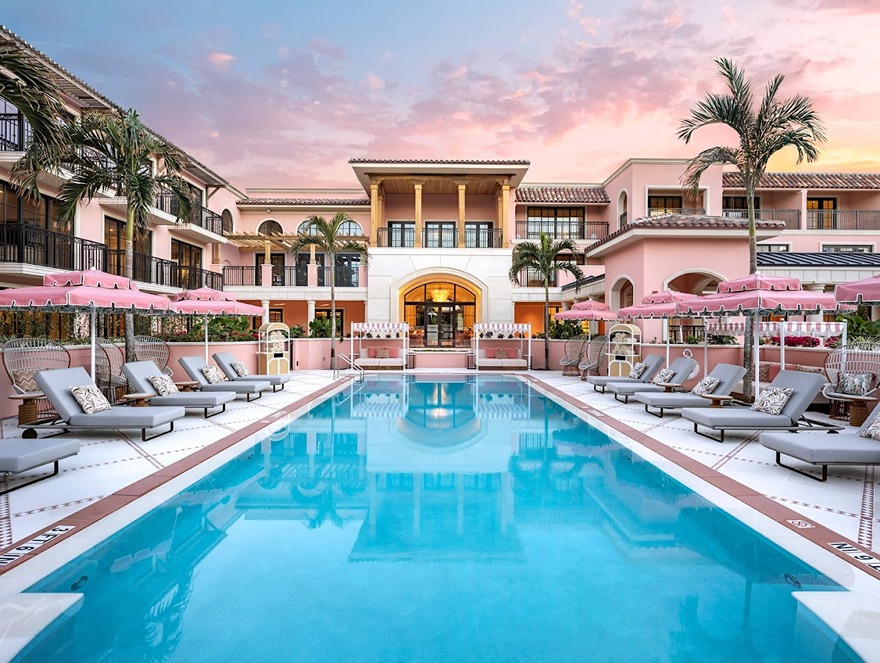
After being dormant for 17 years and undergoing a $40 million renovation, this iconic address on Royal Palm Way has been reimagined as the first U.S. location of London’s L+R Hotels’ Iconic Luxury Hotels collection, which also includes Cliveden House in England. Designed by Cooper Carry and Muza Lab, Palm House presents a quintessentially Palm Beach experience with Murano glass chandeliers, pink marble bars, coral-backed headboards, and a striking shell installation by local artist Christa Wilm. Chef Jerry Ayala brings a fusion of Japanese-Peruvian flavors to the dining room, while the sunken pool deck invites guests to bask in Palm Beach’s luxurious leisure.
2. Rosewood Mandarina | Riviera Nayarit, Mexico
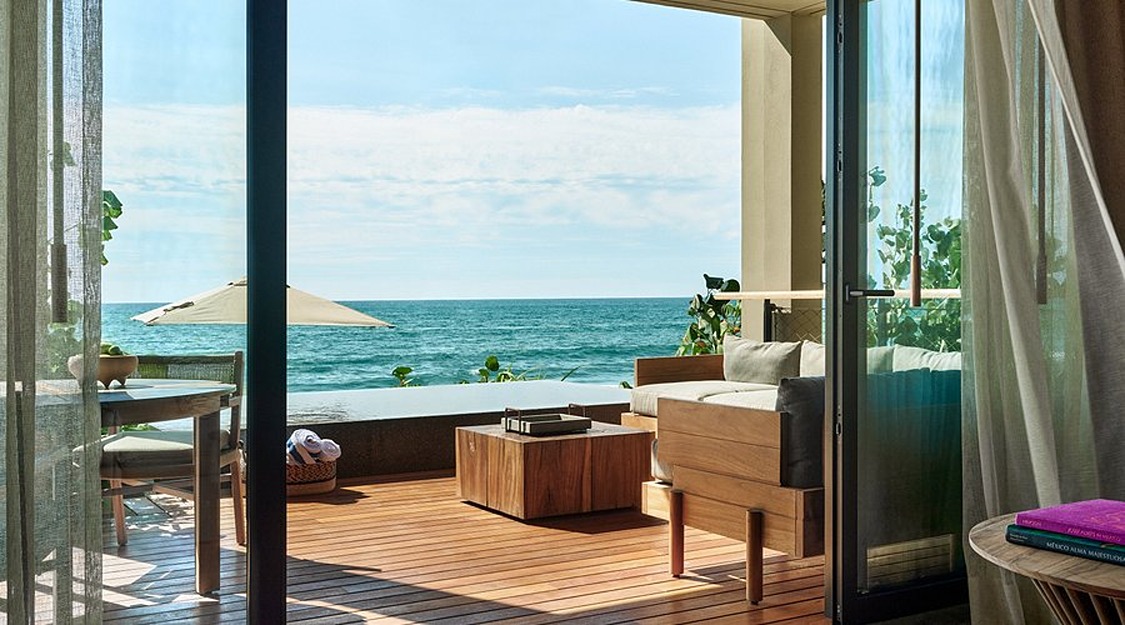
This new addition to Mexico’s Pacific coast opens in April. Located just an hour from Puerto Vallarta, the Rosewood Mandarina offers 134 accommodations, each with private plunge pools and expansive terraces, nestled in natural seclusion. Designer Caroline Meersseman draws on the region’s indigenous Huichol and Cora cultures in her design, and the property features a Japanese restaurant, a cliff-edge bar, and the Asaya spa. Polo grounds, zip lines, and a pristine beach highlight the resort’s connection to nature.
3. Airelles Venezia | Venice, Italy
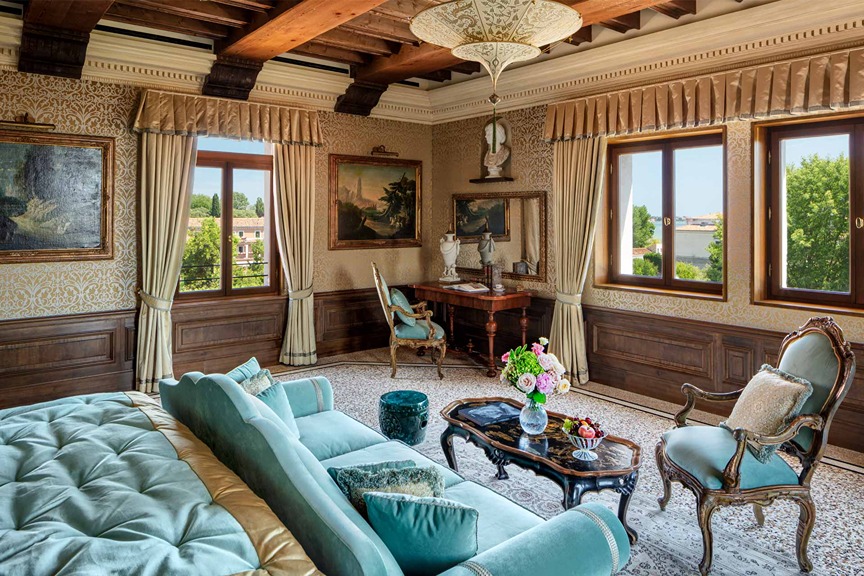
Airelles’ first venture outside France brings a fresh reason to visit Venice’s Giudecca Island. The historic Bauer Palladio, which includes three buildings and the 16th-century Santa Maria della Presentazione church, has been transformed into a luxury haven. Designed by Christophe Tollemer, the interiors blend French and Venetian styles with terrazzo and marble floors, bespoke Fortuny chandeliers, and Murano glass art. The 45 rooms include a luxurious four-bedroom Presidential Suite with San Marco views, while the church serves as an exclusive wedding venue. The hotel’s three pools and expansive spa offer a tranquil retreat from the city’s crowds.
4. The Cooper | Charleston, South Carolina
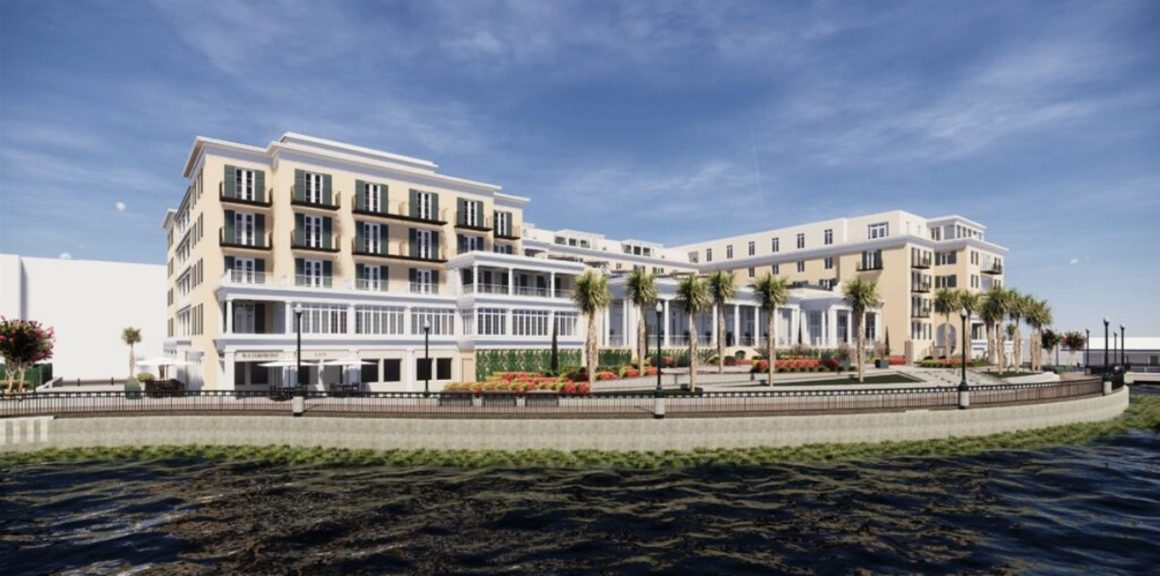
Charleston’s historic district gains a new level of luxury with waterfront access. Beemok Hospitality Collection (which also owns Charleston Place) introduces 191 rooms designed by Champalimaud, nestled between the iconic pineapple fountain at Waterfront Park and Union Pier. With harbor frontage, a private marina, and a rooftop lounge with panoramic views of the Arthur Ravenel Jr. Bridge, The Cooper redefines Charleston’s luxury experience. Water taxis provide access to Daniel Island’s burgeoning scene, enhancing the city’s appeal beyond its historic core.
5. Aman Nai Lert Bangkok | Thailand
Aman’s second Thai property opens in the fall, 36 years after the landmark Amanpuri in Phuket. Located in Bangkok’s diplomatic quarter, the Aman Nai Lert is a 36-story tower rising above the historic Nai Lert Park. The design by Jean-Michel Gathy combines modernity with local cultural influences. The hotel includes 33 residences, 52 hotel suites, and an innovative atrium, offering rare green seclusion in the city center. The hotel’s intimate scale and elegant design reinforce Aman’s commitment to understated luxury.

Although 84 percent of travelers believe hotels can create meaningful community connections, only a small fraction—just 25 percent—actually experience it. In response, a new generation of hotels is emerging, focusing on authenticity over superficiality. From Paris to Kyoto, these properties are transforming into destinations that go beyond mere escapes. They are becoming gateways that deepen the connection to their surroundings, proving that true luxury lies in a genuine understanding of culture and place.


