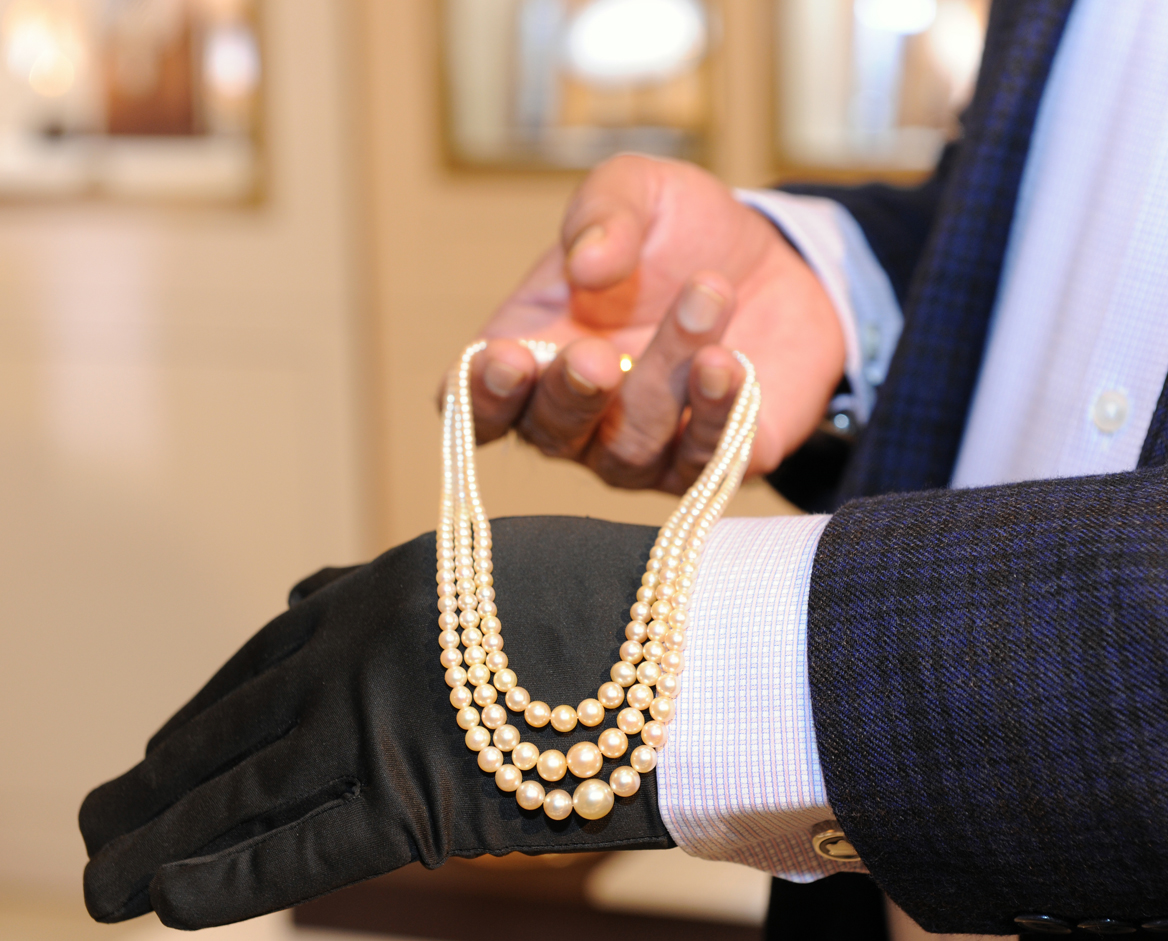
As the rarest and most precious of gems, the beauty of pearls, especially those from the seas of Bahrain, find a place of pride in the heirloom collections of royal families, nobility and those with impeccable taste.
In fact, it was recently revealed the luxury jewellery brand Cartier acquired their iconic New York flagship store in exchange for a pearl necklace.
In 1916, Pierre Cartier displayed a magnificent two-strand pearl necklace (with rows of 55 and 73 of perfect pearls) in his New York showroom. It was worth close to a million dollars at the time (approximately $24 million today). This attracted the attention of a prominent railroad magnate’s wife who had fallen in love with the piece.
Cartier made her an extraordinary offer, he would trade the one-of-its-kind pearl necklace for just $100. The only catch was that she would have to part with her Italian-renaissance-inspired mansion on New York’s Fifth Avenue. So strong was the allure of the necklace, that she agreed and the rest is history.
Bahrain’s pearling history
Bahraini pearls have been admired and coveted for millennia. They find mention in the writing of the renowned Roman author and philosopher, Pliny. The Kingdom’s pearls have a legendary status that comes from their brilliance, lustre and timeless beauty. Many believe that this is perhaps Bahrain’s oyster bed being located near underwater sweet water springs.
Today, natural pearls are found in only two places: in the seas off Bahrain and Australia. Their scarcity is reflected in the prices they fetch at auctions, with antique pearl necklaces and earrings selling for record-breaking sums.
Life N Style decided to explore the world of exquisite Bahraini pearl jewellery with one of the renowned masters of the craft, Vijay Shah of Al Hashimi Pearls. The luxury brand is well known for exclusive and classic designs put together by seasoned craftsmen.
Nature’s Treasure
“All these freshwater pearls, cultured pearls, south sea pearls, the Haiti black pearls are man-made and produced in the farms, but pearls from Bahrain are found naturally in the sea. There are no farms in the Gulf. Our pearls are pure because they are made by God”, says Mr Vijay Shah.
Pearls are extremely rare in nature only one percent out of 10,000 oysters contain pearls. The long, impatient period between each discovery only feeds the desire for the elusive pearl. This also makes it difficult to construct pieces that require symmetry – in colour, texture, and lustre.
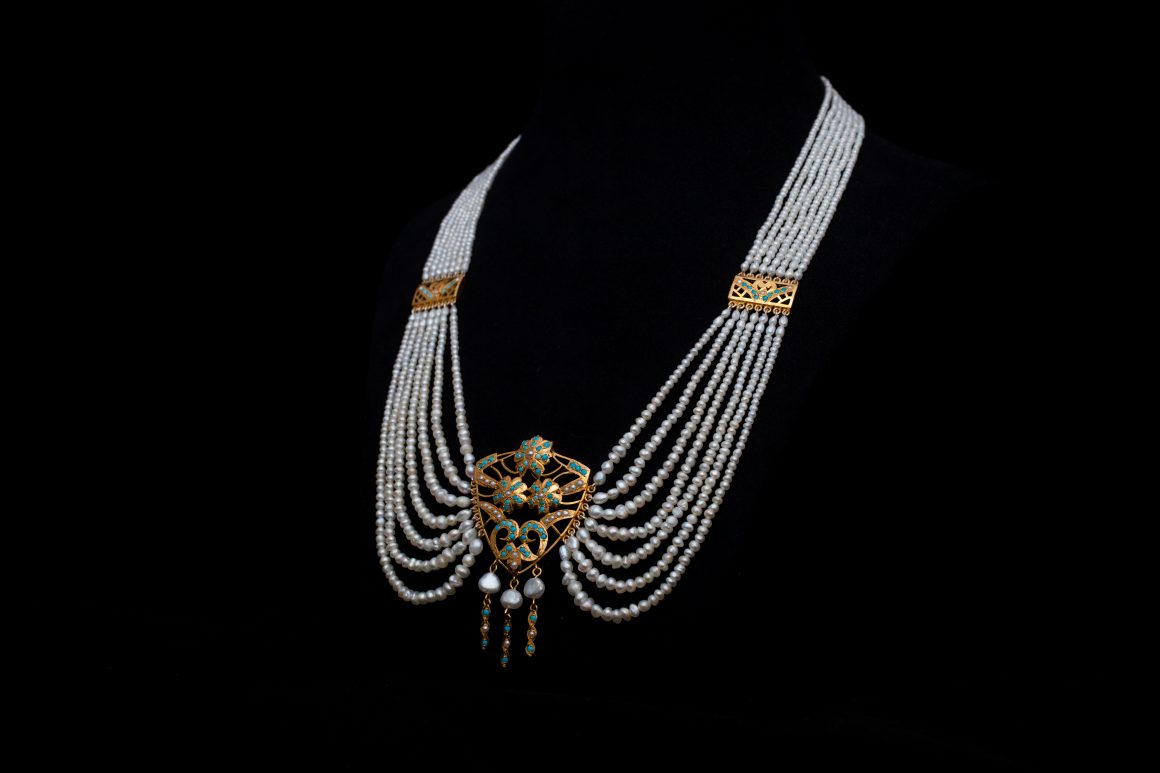
Handpicked pearls from local Bahraini divers, attention is paid to the most minute of details to ensure that each piece stands out. They even use the smallest of pearls to create their alluring and versatile ‘karkoosha’ (tassel) collection, which is made of Bahraini pearls in symphony with gleaming diamonds from Belgium, rubies from Burma, emeralds from Zambia in a scintillating piece of fine jewellery. Each design in their collection is a masterpiece in its own right.
These were excerpts from our conversation with Vijay Shah but the true brilliance of the Bahraini pearls can really only be seen to be believed. Our video interview captures the many unique pieces at Al Hashimi pearls in all their glory from the simple yet elegant three-strand flawless necklace, to the maharajah style neckpiece, and Bahraini traditional wedding jewellery pieces. The video is a treat for lovers of fine craftsmanship and brilliant gems. You can watch the video here:


