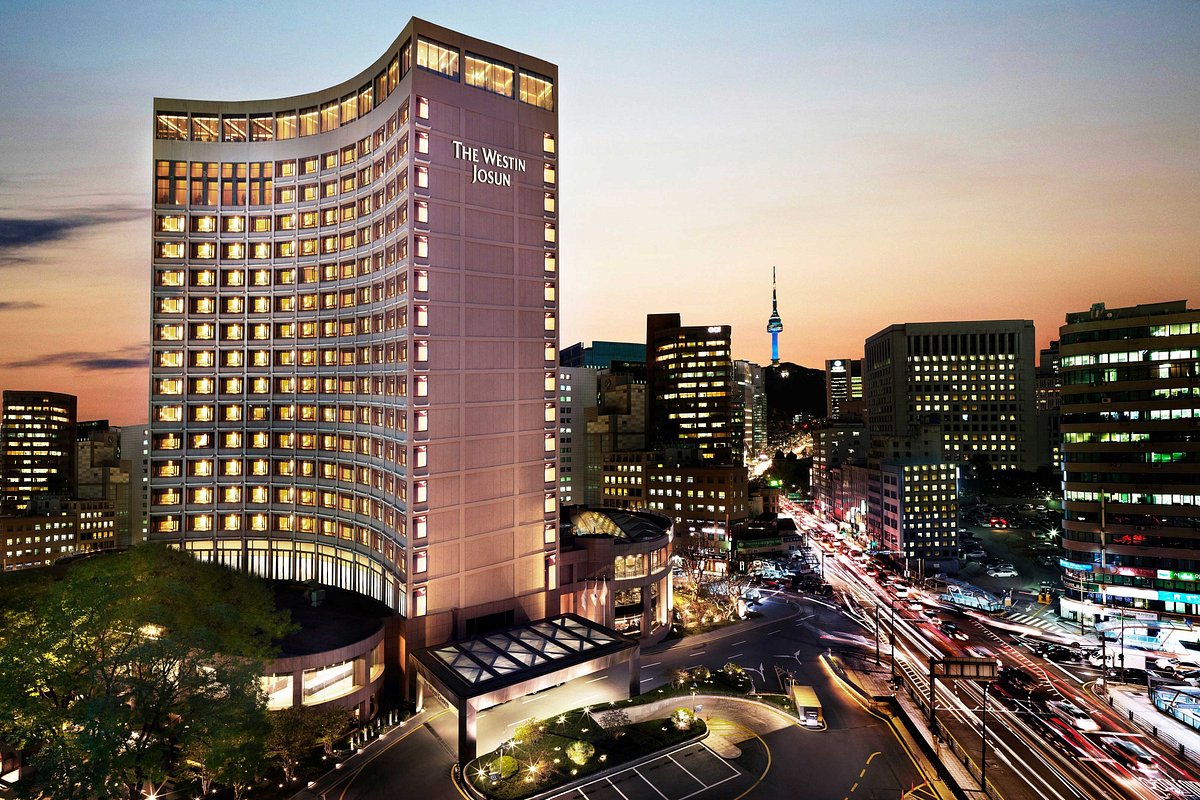
For decades, luxury’s gravitational pull sat firmly between Paris, Milan, London and New York.
In 2026, Seoul is rewriting that map.
South Korea has emerged as one of the brightest spots in the global luxury market, with affluent consumers continuing to spend even as demand cools elsewhere. Hermès has described performance in the country as outstanding, while Kering, Moncler, Richemont and Burberry have all highlighted South Korea as an important contributor to recent growth.
A Consumer Who Wants More Than a Logo
What makes Seoul particularly interesting is not simply how much consumers are spending, but how they are spending it.
Luxury shoppers are becoming more deliberate, favouring products that offer long-term value, strong craftsmanship or genuine cultural relevance. Important jewellery purchases are increasingly used to mark personal milestones such as promotions and career achievements, turning luxury into a form of self-celebration rather than pure status.
That shift perfectly reflects where luxury is heading globally: fewer impulse purchases, more emotional ones.
Why Every Luxury House Wants Seoul
The city is also becoming one of the industry’s most exciting retail laboratories.
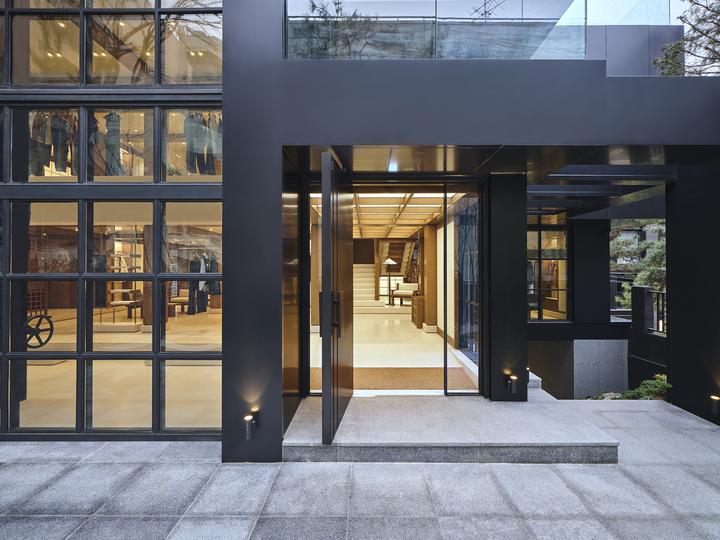
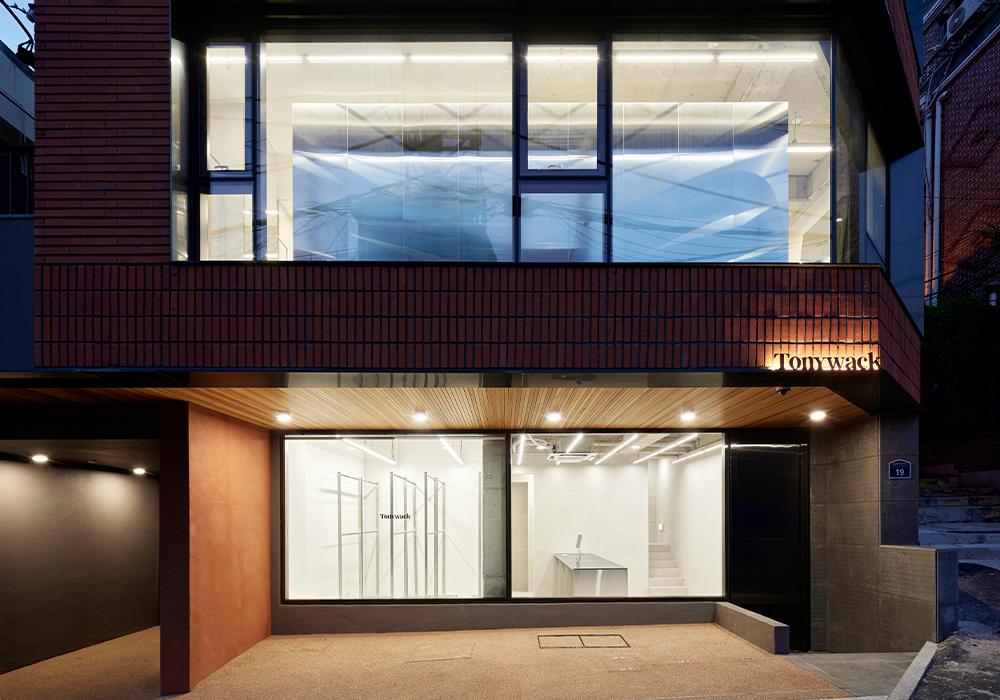
Louis Vuitton has expanded its presence, Vacheron Constantin has opened a flagship with dedicated VIP and exhibition spaces, Prada Beauty has launched a standalone store, and brands are increasingly investing in districts such as Hannam, Seongsu and Cheongdam. Seoul’s stores are no longer designed purely to sell—they are becoming immersive brand worlds.
The influence extends well beyond retail. K-pop, Korean beauty and fashion culture give Seoul an extraordinary ability to turn a local moment into a global one.
The New Luxury Capital
China remains enormously important. Paris remains the spiritual home of haute couture. Milan still commands design.
But Seoul offers something different: wealth, cultural influence, speed and an exceptionally sophisticated consumer—all in one market.
For luxury houses searching for their next generation of clients, Seoul is no longer simply a market to watch.
It is becoming a market to follow.


