Fragrance in the Middle East has always been more than a finishing touch. It is ritual, memory, identity and hospitality — and increasingly, it is becoming one of the most influential forces shaping global luxury beauty.
From oud and amber to saffron, musk and incense, ingredients long associated with the region are now moving into the centre of international fragrance storytelling. Rather than being treated as niche or exotic references, they are becoming signatures of sophistication, depth and individuality.
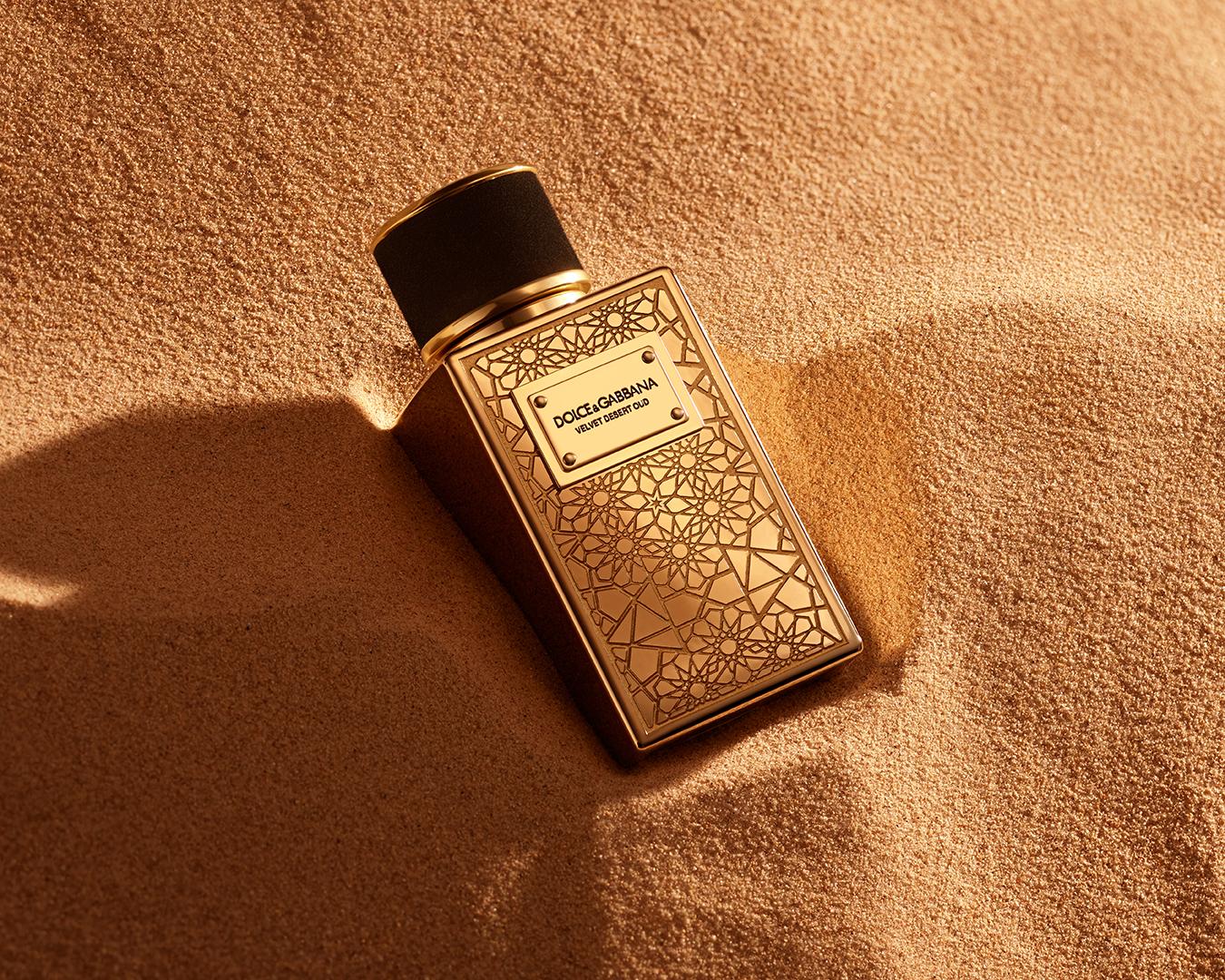
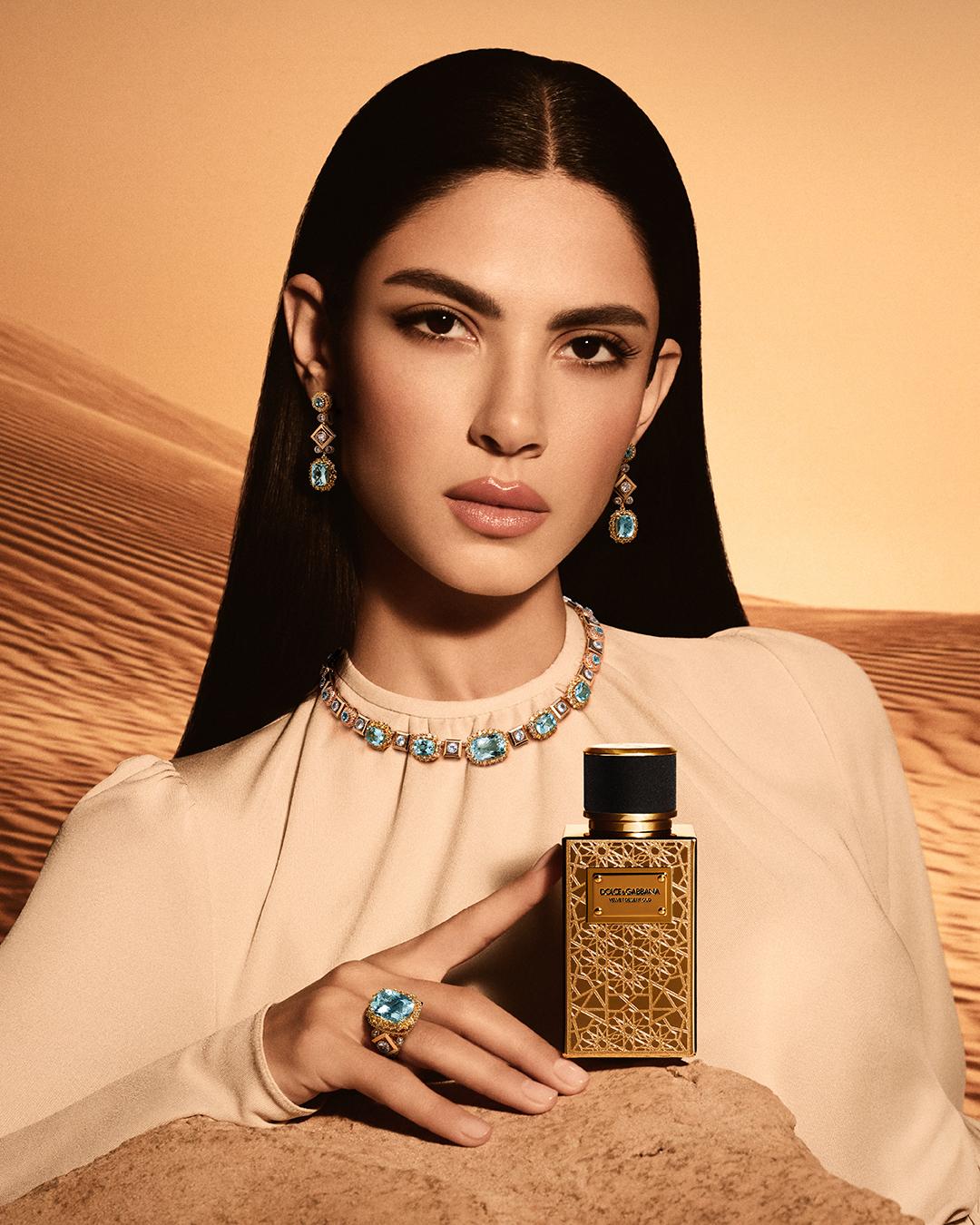
One of the clearest examples is Dolce & Gabbana Beauty’s Velvet Desert Oud, which places Middle Eastern fragrance culture directly at the heart of its luxury narrative. The bottle itself reflects that positioning, with ornate arabesque-inspired detailing and a rich gold finish designed to evoke the warmth and opulence of the desert.
The shift feels especially relevant now because luxury fragrance is becoming more personal.
Consumers are moving away from the idea of one signature perfume and instead building scent wardrobes — choosing different fragrances for different moods, settings and occasions. This approach closely mirrors a fragrance culture that has long existed across the Gulf, where layering oils, oud, musk and perfume is part of creating something distinctly individual.
That heritage is now influencing how global fragrance houses think about luxury.
Rich woods, smoky resins, florals and deeper gourmand notes are increasingly dominating autumn fragrance conversations, while niche perfume and perfume collecting continue to attract growing interest. Recent luxury-trend data also points to rising searches around niche perfume shops, travel fragrance and perfume collecting, suggesting consumers are treating scent as something to explore and curate rather than simply repurchase.
What makes the movement particularly interesting is that the Gulf is no longer simply consuming international luxury fragrance.
It is helping define its direction.
Regional preferences for intensity, layering and storytelling are influencing packaging, ingredients and even the way fragrance campaigns are presented. The result is a beauty landscape where cultural heritage feels increasingly modern, relevant and desirable.
And for luxury houses, that creates a powerful opportunity: to build fragrances that do not simply smell beautiful, but carry a sense of place, identity and emotion.
The next chapter of luxury beauty may be global, but its scent is becoming unmistakably Middle Eastern.


