

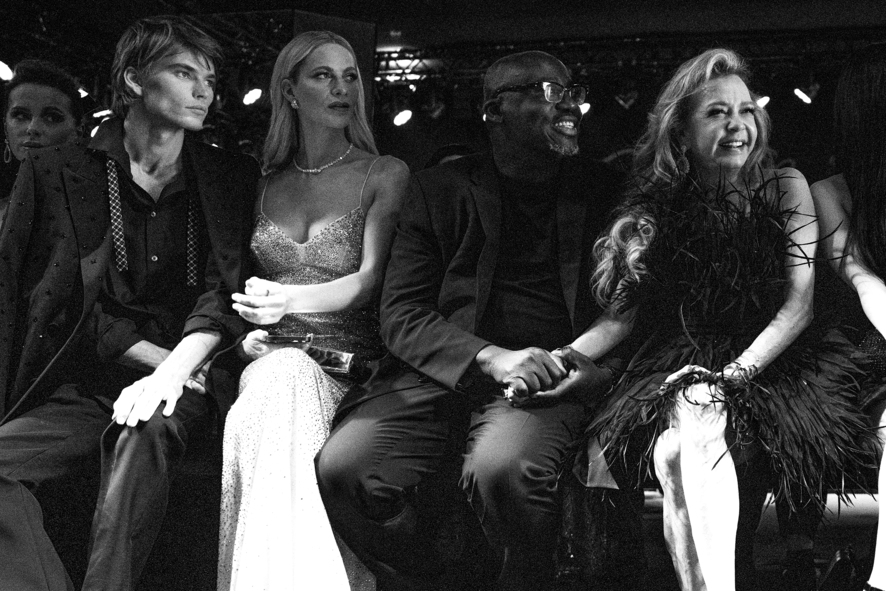
Caroline Scheufele Chopard Co-President and Artistic Director presented her first couture collection at the brand’s grand soiree in Cannes, which also celebrated their ‘Red Carpet’ line.
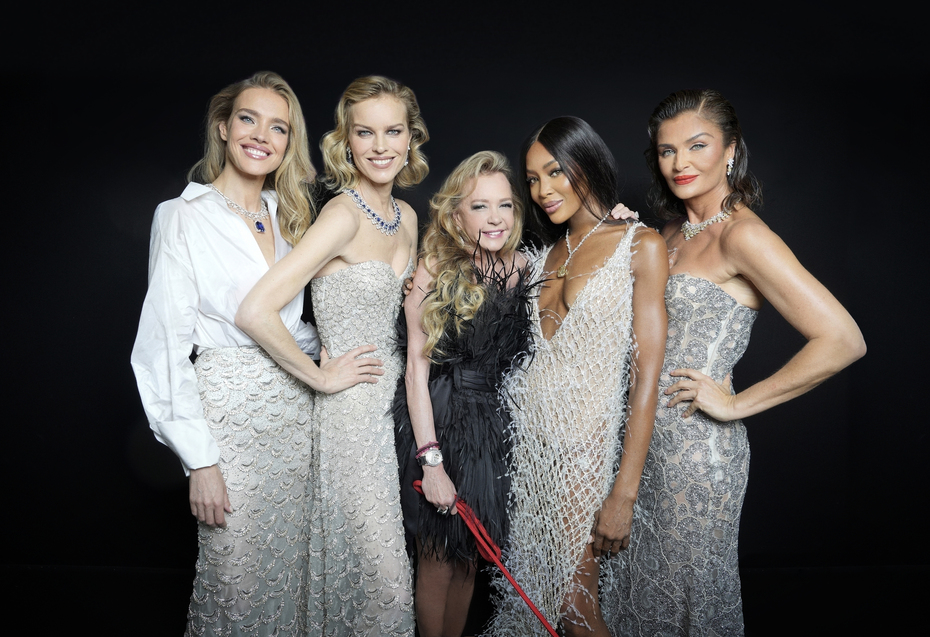
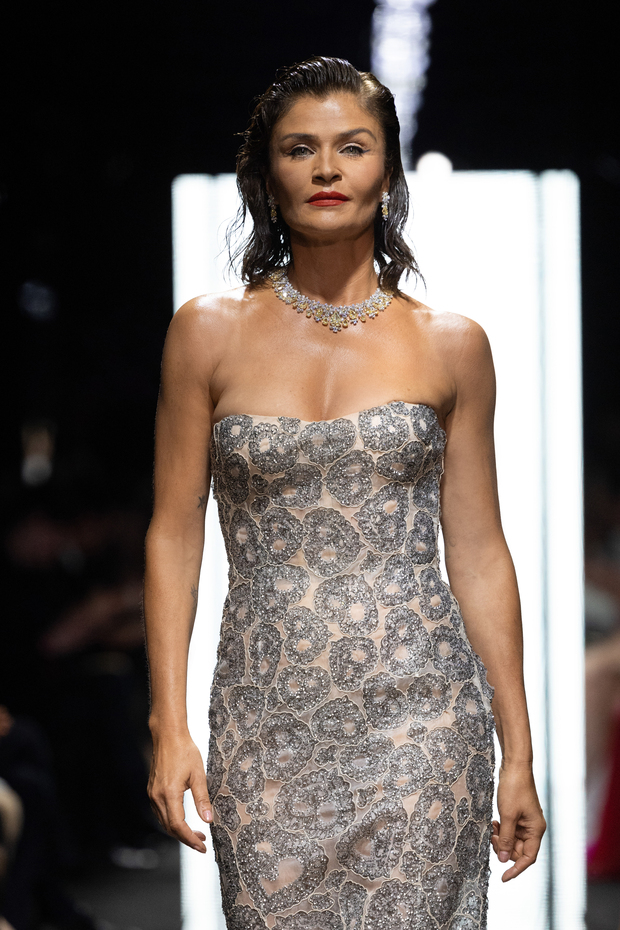
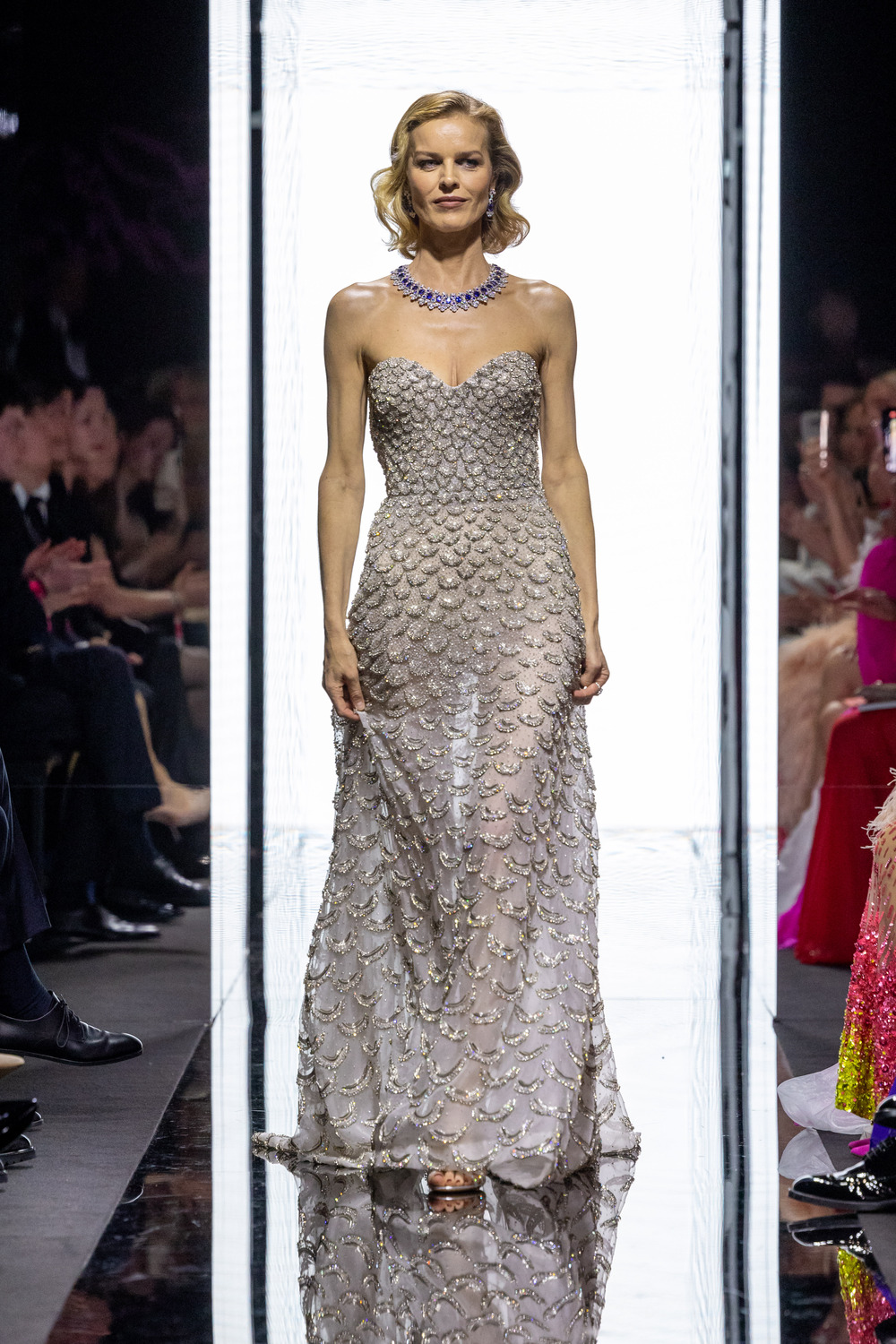
In honor of the 76th Cannes Film Festival, 76 high-jewellery creations accompanied 50 richly textured and embellished couture looks—all designed by Scheufele—down a runway at the glitzy Hôtel Martinez on a lineup of models led by Cindy Bruna, Martha Hunt, and Petra Nemcova. Closing the show was a row of ’90s supermodel titans: Naomi Campbell, Helena Christensen, Eva Herzigova, and Natalia Vodianova.


CAROLINE’S COUTURE

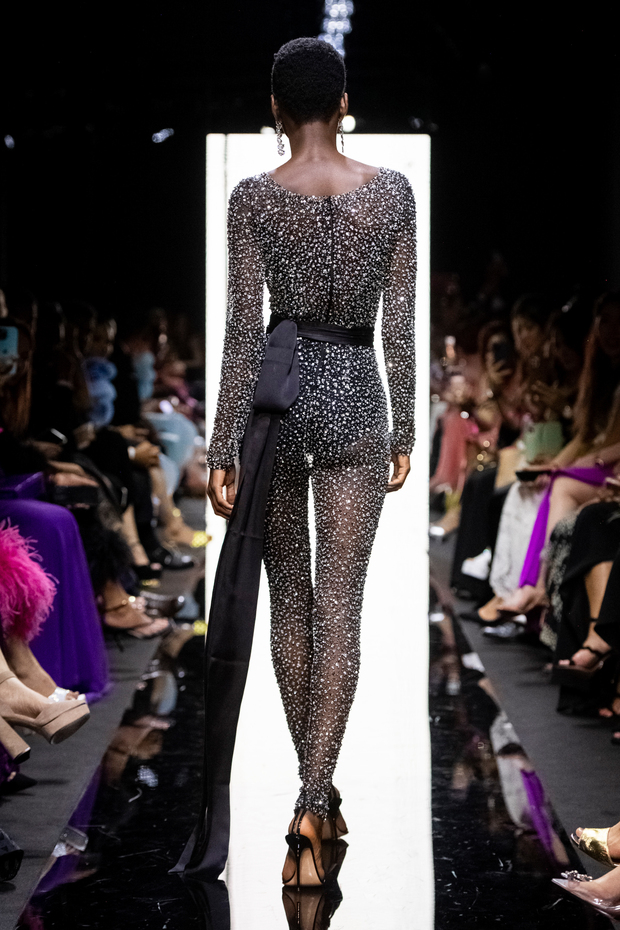
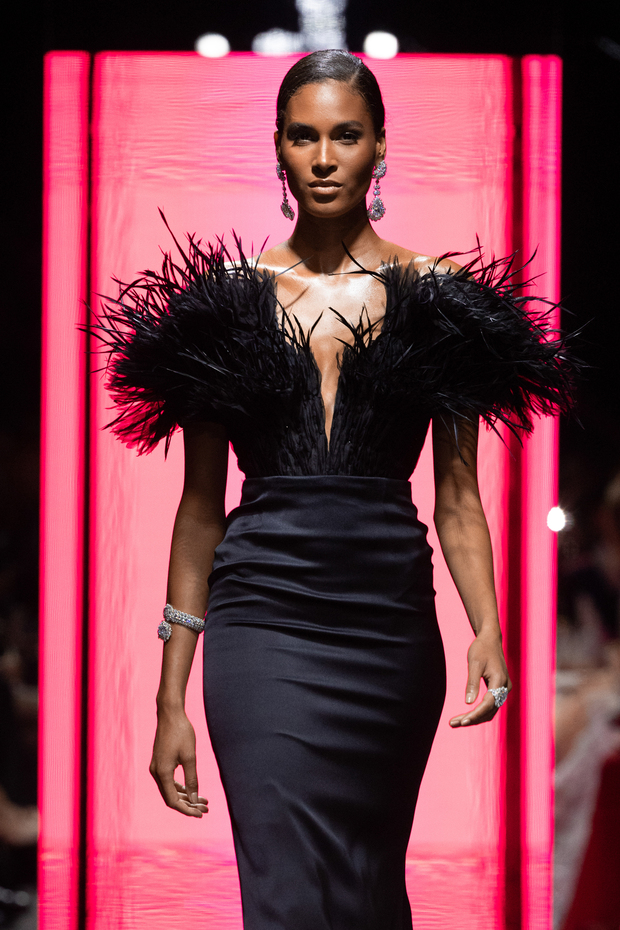
Within this wardrobe designed to bring fashion and jewellery to life in perfect harmony, elaborate textures evoke gem-setting, delicate artisanal embroidery, as well as fabric structure in total symbiosis with Haute Joaillerie so that clothes and jewellery shine individually while basking in each other’s glow.
The resolutely innovative Caroline’s Couture collection also offers a novel approach to enduring fashion. Sedulously intended to last, the pieces in this first collection are not intended to take centre stage for just a single season before becoming obsolete.

They can be ordered at any time, year after year, as perfectly proportioned icons within a timeless wardrobe. Like jewellery, these garments are as much about love as they are about lasting investments, designed to accompany women towards a charming future, in which what is loved once can be loved forever.



“I wanted to create a collection for women who, like me, want to dress in a way that is fully aligned with who they are today”, explains Caroline Scheufele. “Women in love with beauty – meaning true beauty, the kind that never goes out of fashion. Pure elegance. Clothes that can be cherished over time, worn in a variety of circumstances and in countless ways, without ever losing their value or relevance. A wardrobe like a jewellery collection, which time makes more and more precious because they are accompanied by slices of life and carry with them experiences, memories and memorable moments. It is this approach to jewellery that I wanted to transpose to clothing.”





THE KALHATH INSTITUTE
At the head of Chopard, Caroline Scheufele has consistently worked to create a fairer world by ensuring responsible practices from ethical, social and environmental standpoints. All of Caroline’s Couture embroidery has been crafted by the Kalhath Institute in Lucknow, North India, which was born in 2016 under the impetus of Maximiliano Modesti. As Caroline Scheufele points out: “When you are lucky enough to live a charmed life, it is only right to give back what you can for the benefit of others and thus create a virtuous circle. The Kalhath Institute works to strengthen the skills of the artisans, to pass on this exceptional expertise within India and to put in place framework conditions enabling the craftspeople to earn fair wages – and these are exactly the kind of steps we have been taking for several years at Chopard.”


SUSTAINABLE PRODUCTION PROCESS
For this first foray into fashion territory, it was essential for Caroline Scheufele – a leading figure in sustainable development – to devise a modus operandi that was entirely consistent with the stance for which she advocates on the luxury market. While the very principles of the fashion industry require the production of clothes systemically doomed to programmed obsolescence, due to the rhythm of the collections presented four to ten times a year by the fashion houses, Caroline Scheufele adopts the same technique as for jewellery: using the noblest materials, developing fabrics in order to create unique textures and calling upon the finest artisans.


FABRICS, THE STUFF OF DREAMS
Chiffon, taffeta, duchess satin, silk cady, lace- a large proportion of the fabrics is sourced from Jakob Schlaepfer in St. Gallen, the world-renowned Swiss manufacturer as well as the Gentili Mosconi workshops in Como, in particular the universally acclaimed jacquards. The embroideries are made in India by the best artisans of the Kalhath Institute, woven with Japanese beads, the smallest in the world.