
Luxury beauty in the Middle East is becoming increasingly confident in its own identity.
Rather than looking outward for cues, the region is drawing more deliberately from its own rituals, ingredients and cultural language — particularly in fragrance, where heritage and personal expression have always carried extraordinary weight.
Beautyworld Middle East has helped bring that shift into sharper focus. Its recent programming has placed fragrance, niche perfumery and regional beauty behaviour at the centre of the conversation, reflecting a market where scent is not simply an accessory, but part of daily life, hospitality and identity.
Fragrance Is Becoming More Personal
One of the clearest expressions of this shift is layering.
Across the Gulf, wearing several fragrances together is already deeply embedded in beauty culture. Oils, oud, musk, hair perfumes and eau de parfum are often combined to create a scent that feels individual rather than prescribed. Beautyworld’s market research notes that wearing three or four fragrances together is commonplace, while oil-based formats remain especially popular in markets including Bahrain, Oman and Qatar.
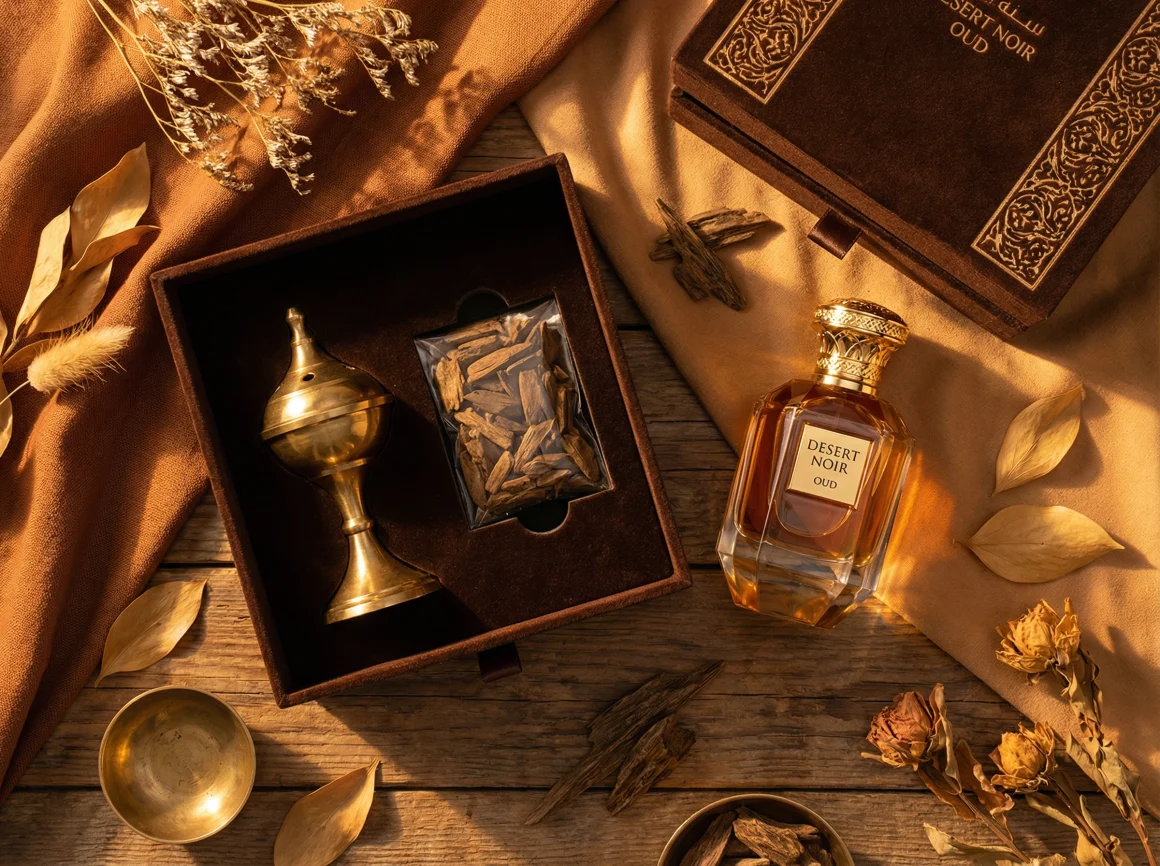
That behaviour is now influencing the wider luxury fragrance industry.
Instead of asking consumers to identify one permanent signature scent, brands are increasingly speaking about fragrance wardrobes, layering combinations and scents chosen according to mood or occasion. In other words, a beauty ritual long familiar in the region is becoming part of a much broader global luxury conversation.
Regional Ingredients Are Becoming the Main Story
Oud, saffron, rose, sandalwood, amber and incense are no longer being treated as exotic accents designed merely to give a fragrance a “Middle Eastern” character.
They are increasingly being positioned as sophisticated ingredients in their own right.
Taif rose, for example, carries both provenance and cultural meaning, while oud continues to be reinterpreted in combinations with leather, clean musks, saffron and florals. Harper’s Bazaar Arabia describes contemporary Gulf fragrance culture as one that does not abandon oud, but continually edits and modernises it.
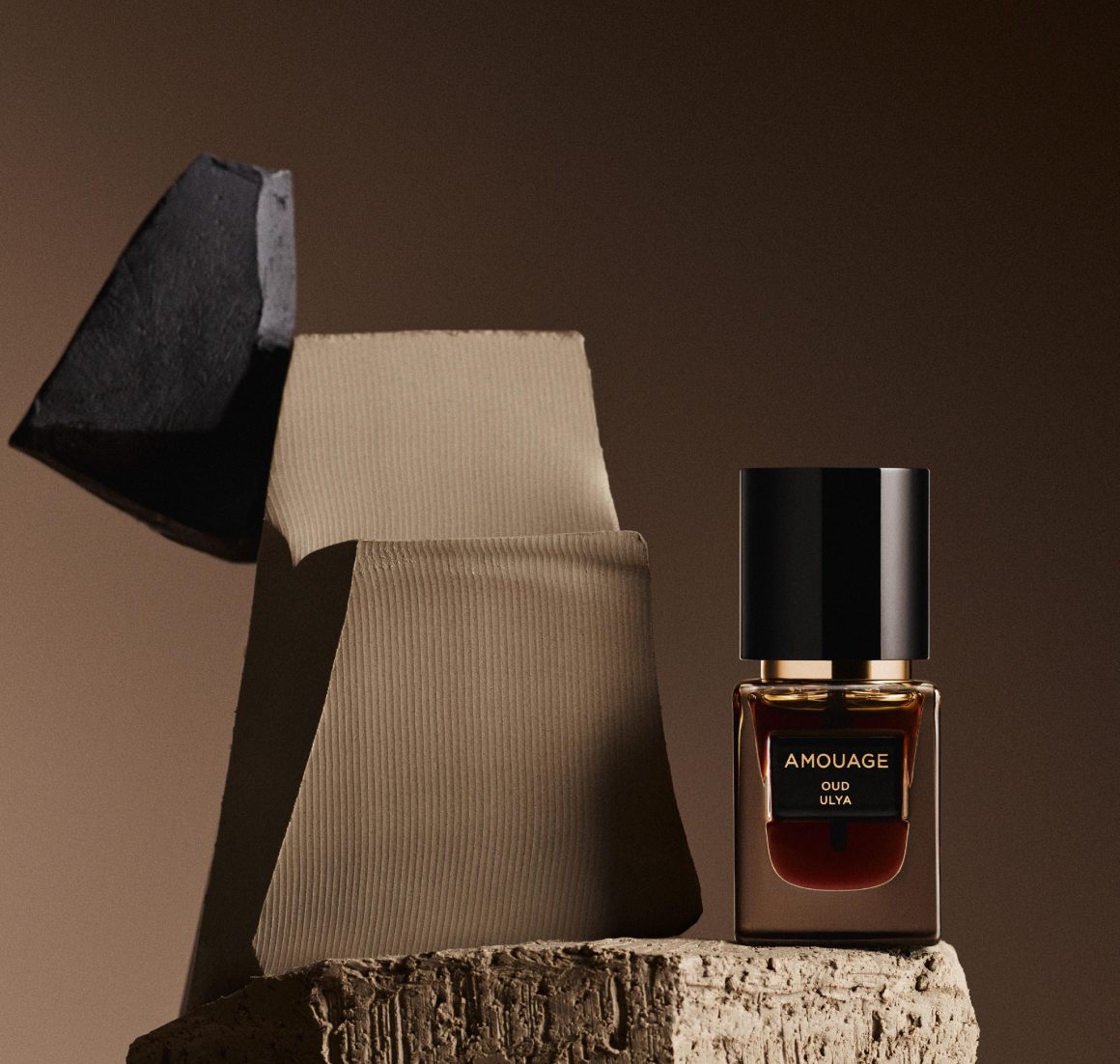
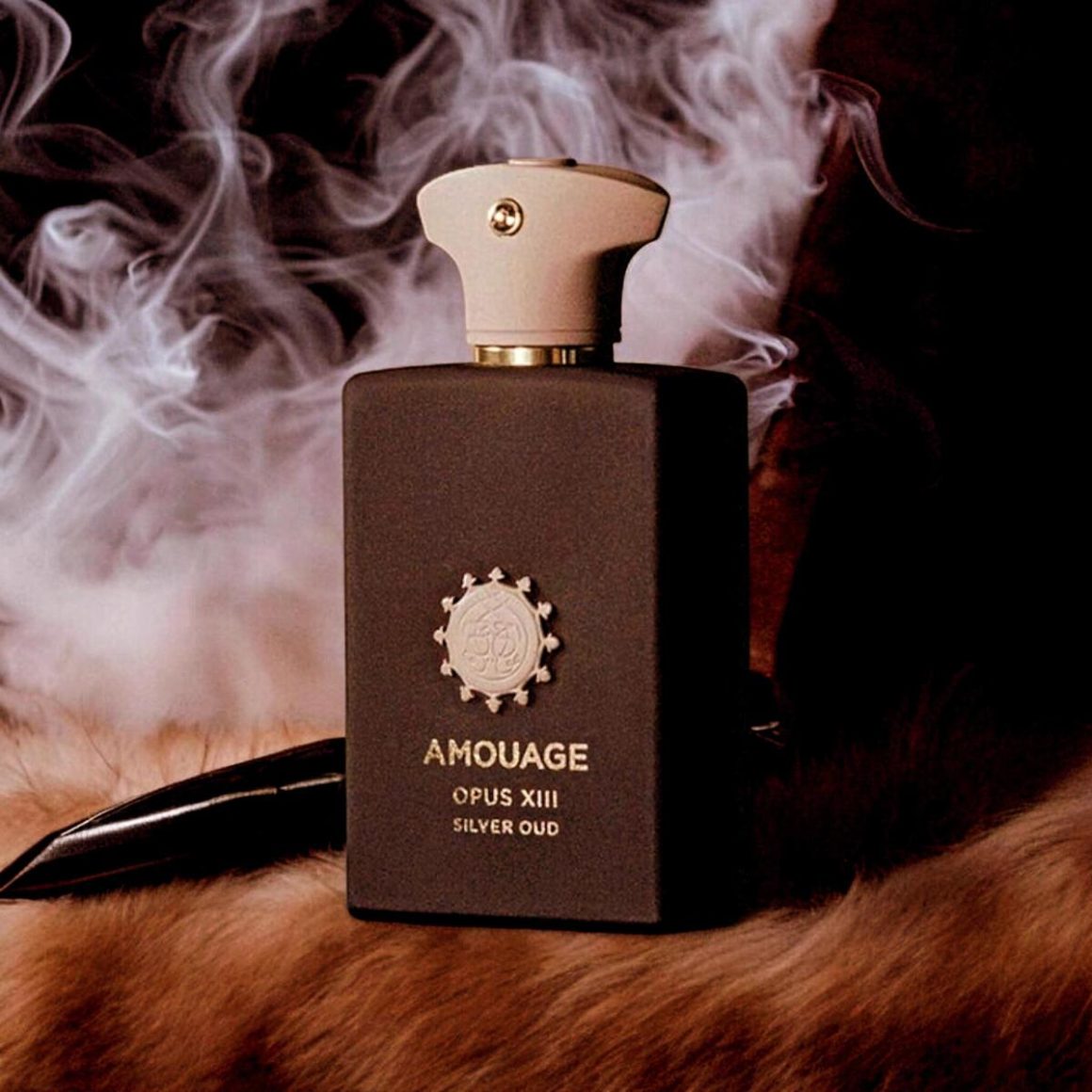
Omani fragrance house Amouage offers one of the strongest examples of heritage becoming modern luxury. The house continues to build around materials associated with Oman, including frankincense and oud, while its attars — pure oil fragrances rooted in regional traditions — have become an important part of its contemporary offering. Beautyworld’s regional market report describes Amouage as combining craftsmanship and Omani materials with a global creative language rather than designing according to simplistic regional stereotypes.
Heritage Is Becoming a Luxury Asset
What feels particularly significant is that Middle Eastern beauty is no longer trying to translate itself into a more Western vocabulary in order to feel premium.
Its own rituals are becoming the luxury language.
The generosity of fragrance, the ritual of bakhoor, the intimacy of attar, the art of layering and the emotional connection to rose, musk and oud all offer something that contemporary luxury consumers increasingly seek: provenance and meaning.
Even international fragrance houses are responding to that sophistication. The Gulf is now regarded as a crucial market for niche and artistic perfumery, with brands tailoring launches, storytelling and fragrance profiles to consumers who are already highly knowledgeable about scent. Beautyworld itself has expanded dedicated fragrance programming including Next in Fragrance, Signature Scent and Quintessence, reinforcing just how central the category has become.
The broader shift is bigger than fragrance.
It reflects a new era in which luxury beauty in the Gulf is becoming more culturally specific, not less — drawing confidence from history while presenting it through contemporary design, storytelling and experience.
For brands, that means heritage can no longer be treated as decoration.
For consumers, it means luxury is becoming increasingly personal.
And for the Middle East, it marks an important change: the region is not simply consuming global beauty culture anymore. It is helping define what comes next.


