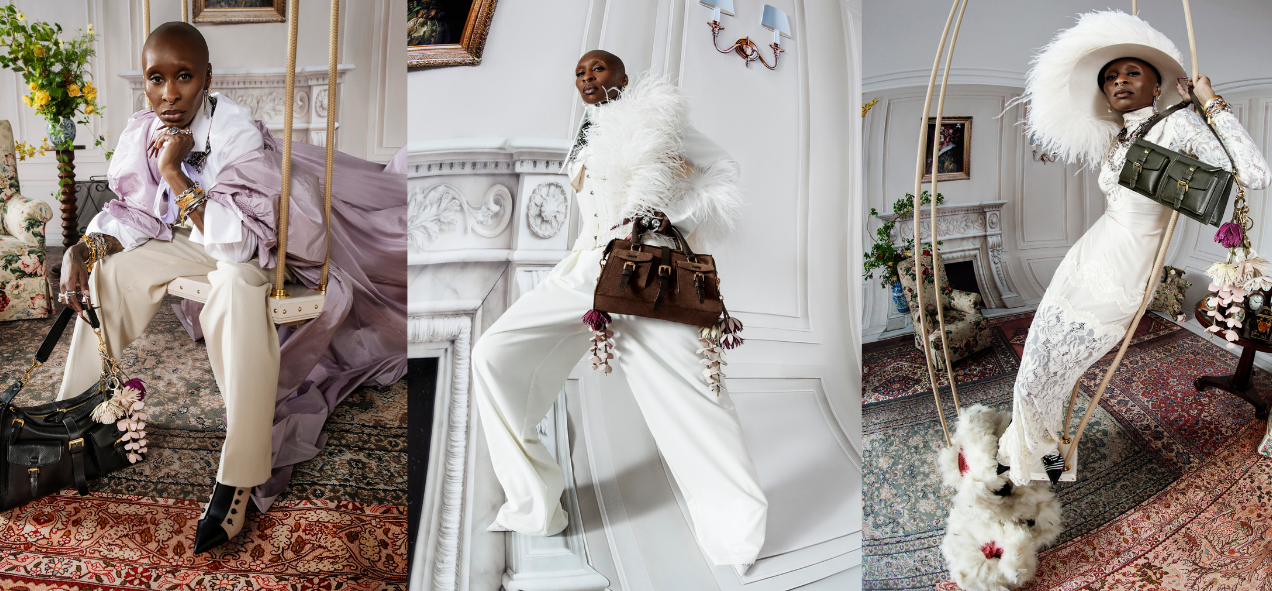
In a luxury market often driven by constant novelty, one of fashion’s most enduring ideas is quietly returning to the spotlight: the forever bag.
Recent results from Mulberry have added weight to that shift. The British fashion house reported an 18% rise in first-half sales, with stronger demand for its heritage handbags and a greater focus on full-price selling helping drive performance.
For the wider luxury industry, the numbers tell an interesting story.
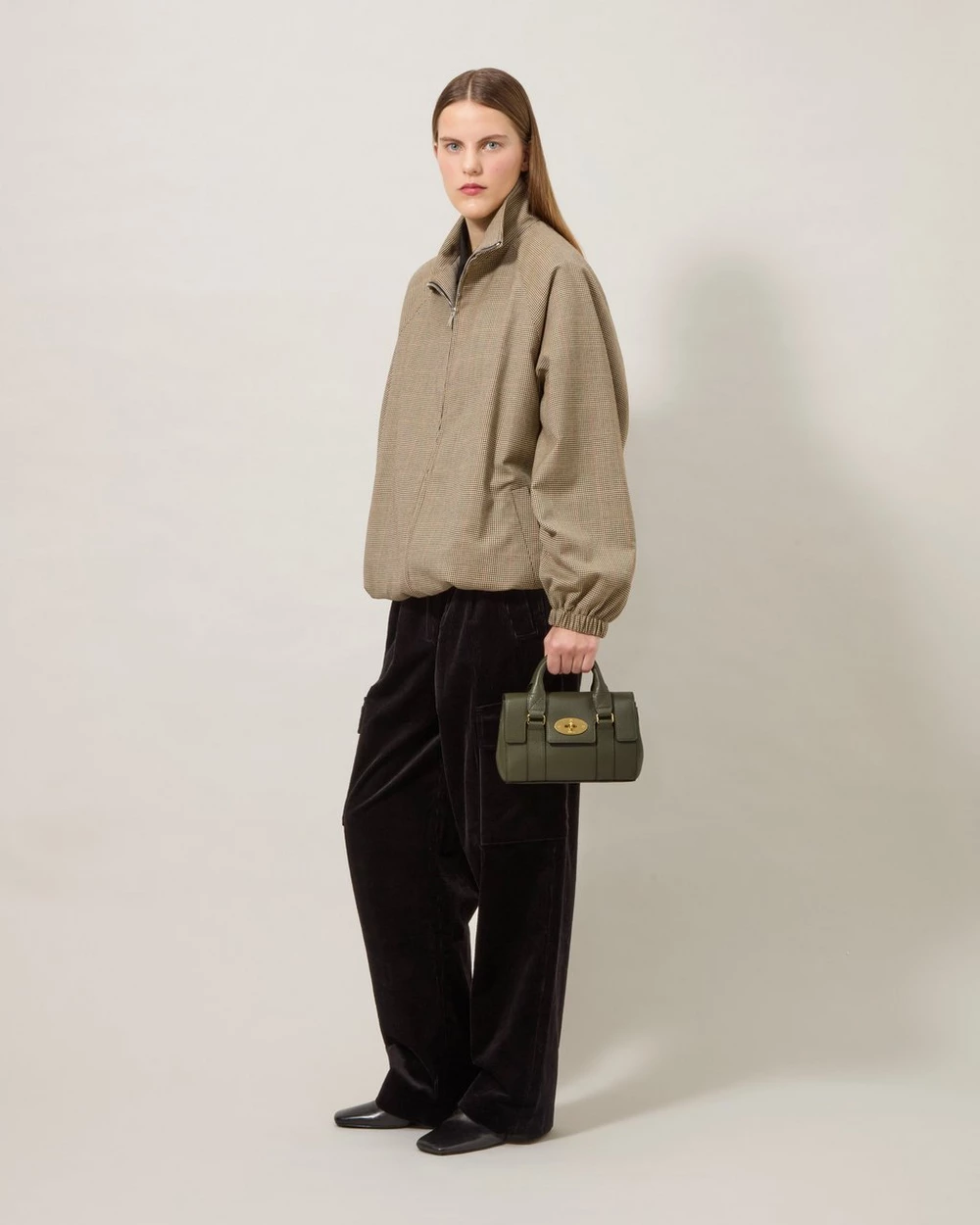
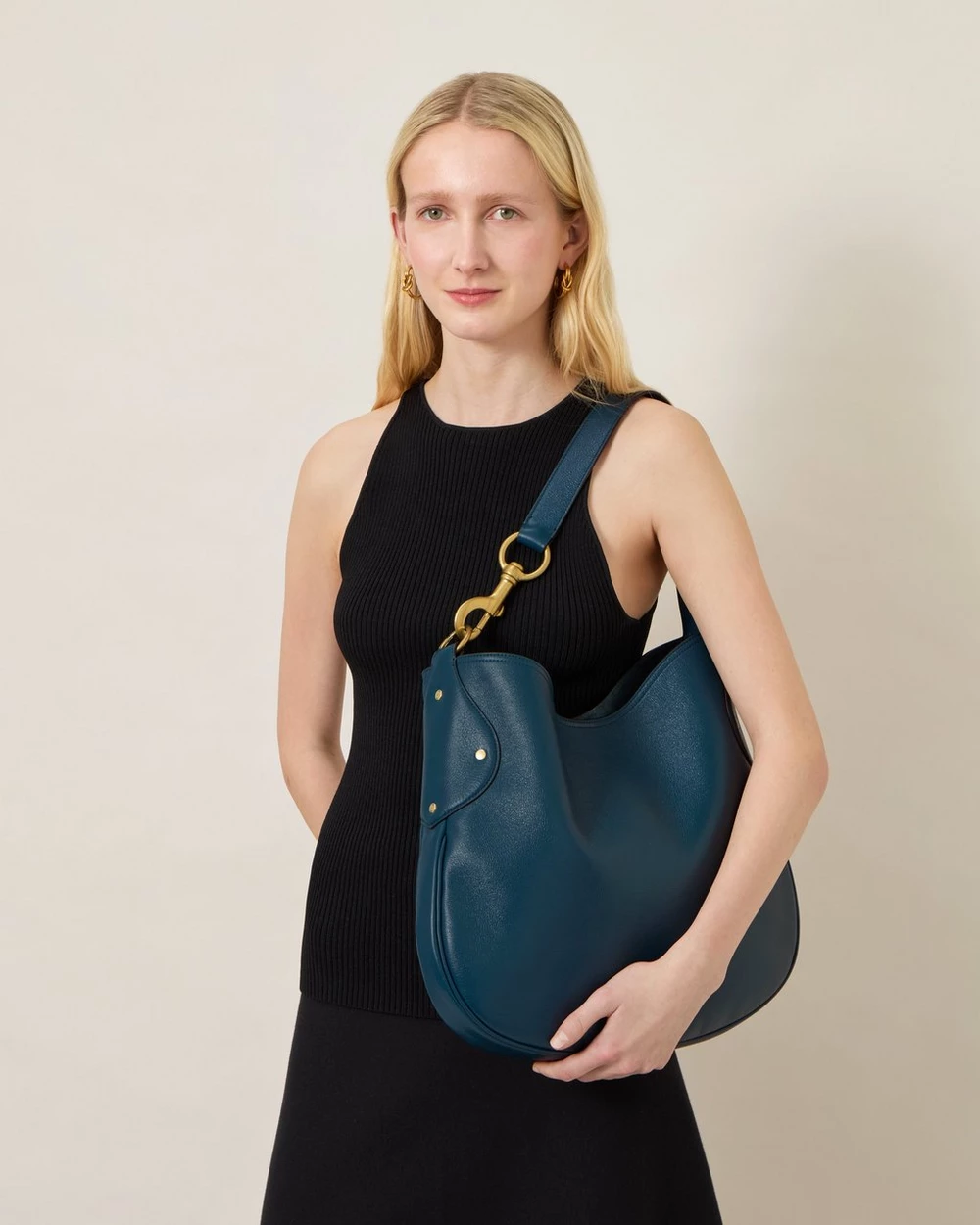
Consumers appear to be becoming more selective about what earns a place in their wardrobes. Rather than chasing every new-season release, there is renewed interest in handbags with history, recognisable design language and the kind of craftsmanship that allows them to remain relevant beyond a single trend cycle.
Mulberry is particularly well positioned within that conversation.
The house has been placing renewed emphasis on its British identity and handbag heritage, returning attention to familiar names such as the Bayswater, Alexa and Roxanne. These are designs that already carry cultural recognition, nostalgia and a sense of longevity — qualities that feel increasingly valuable in a more cautious luxury market.
The return of the Roxanne is especially telling.
Originally associated with the early-2000s era of statement handbags, the style has been revisited for a new generation rather than simply reproduced as an archive piece. It reflects a wider shift across luxury fashion, where heritage is being treated as a creative asset rather than something confined to the past.
That distinction matters.
Today’s customer is not necessarily looking for something old. They are looking for something with a story.
A heritage handbag offers exactly that: familiarity without feeling ordinary, status without relying entirely on logos, and the possibility of becoming more personal with time.
It also signals a change in how value is being understood.
The strongest luxury purchases are increasingly expected to offer more than immediate visual impact. Buyers are asking whether an item will still feel relevant several seasons from now, whether it reflects genuine craftsmanship and whether it can become part of a longer personal wardrobe rather than a short-lived fashion moment.
In that environment, the appeal of the “It” bag is evolving.
The new status symbol may not be the hardest bag to obtain this month, but the one that still feels desirable years later.
For Mulberry, heritage is proving that it can be commercially powerful as well as emotionally resonant. And for luxury fashion more broadly, it suggests a compelling direction:
the future of the handbag may increasingly be found in the designs that were built to last.


