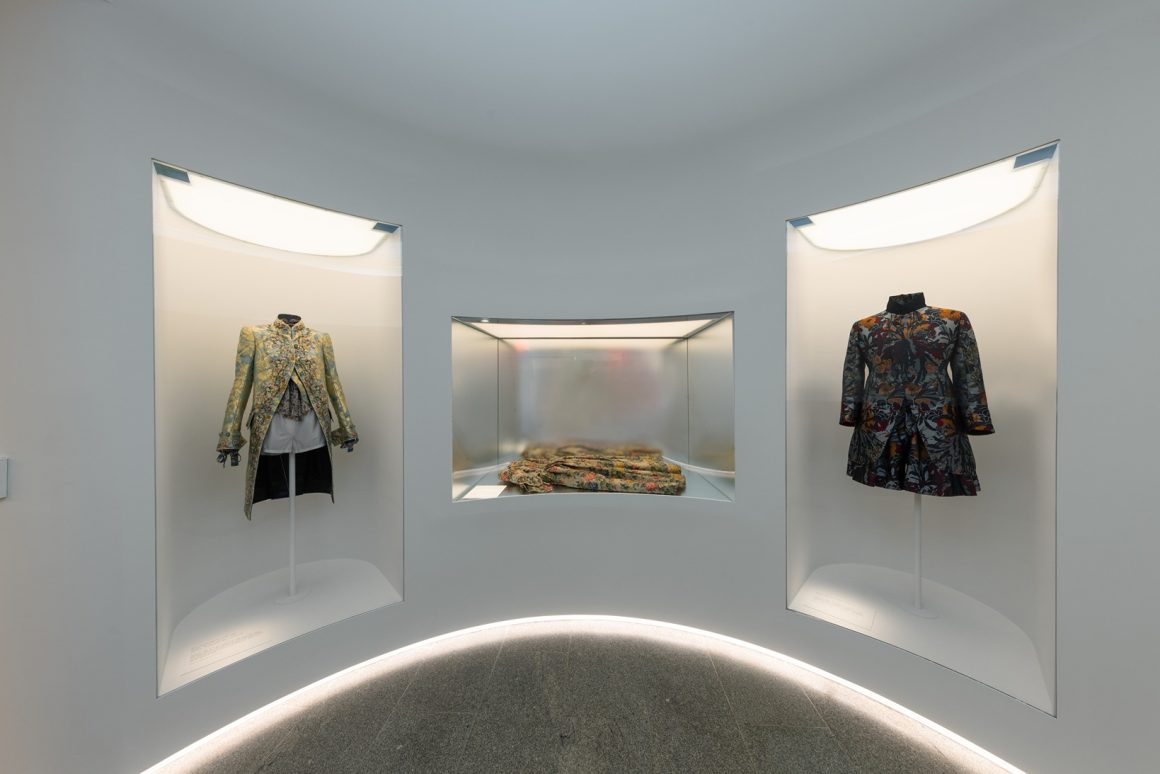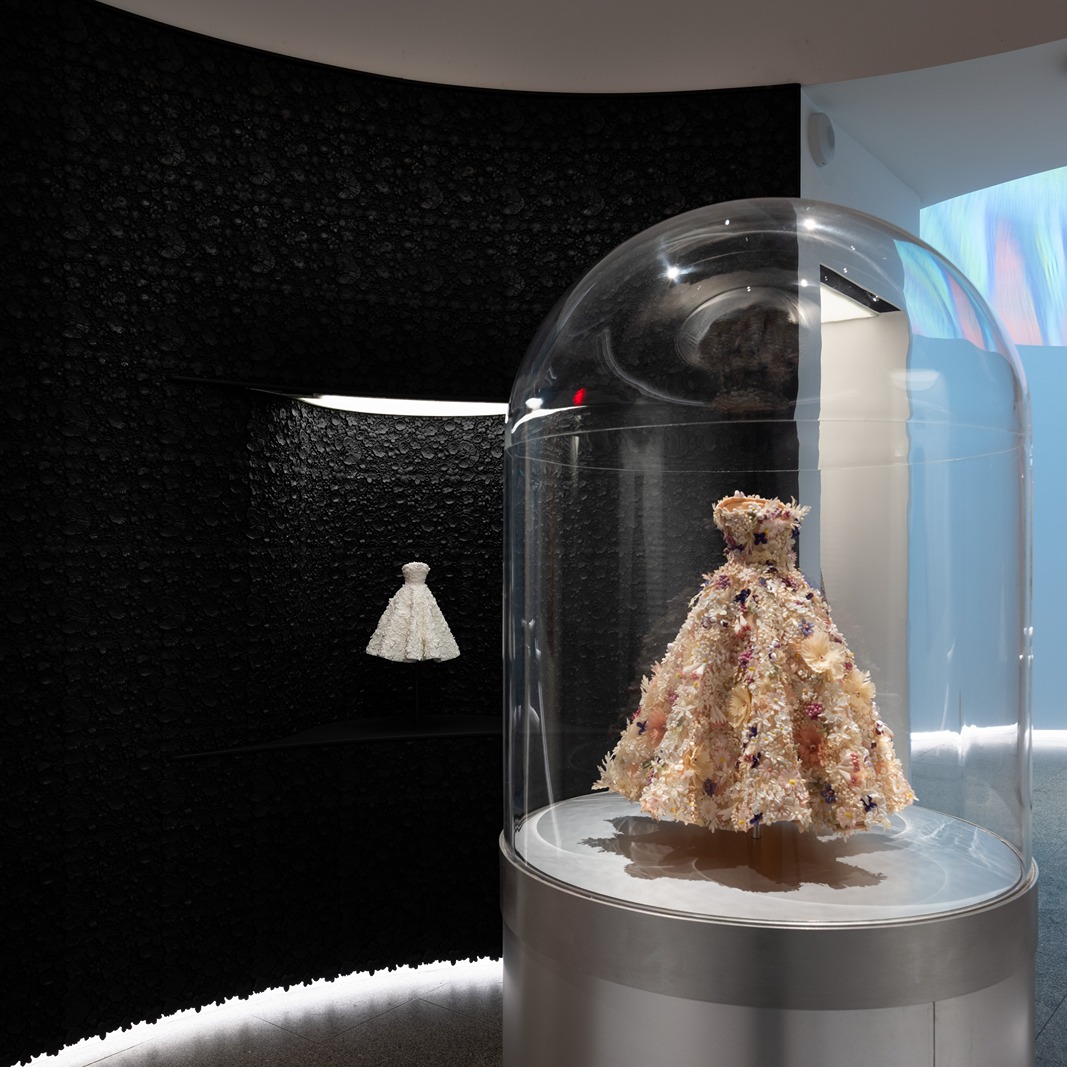
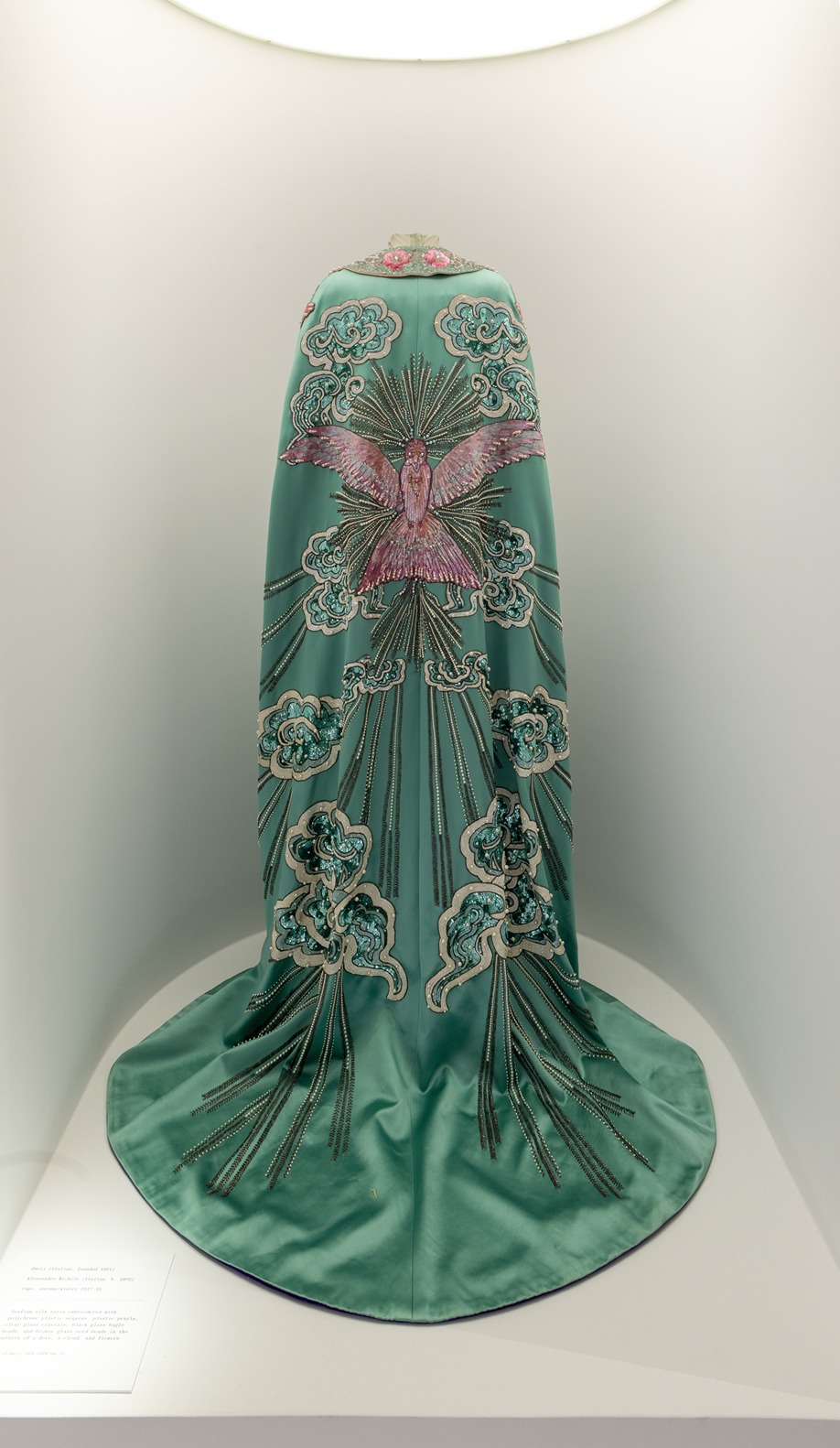
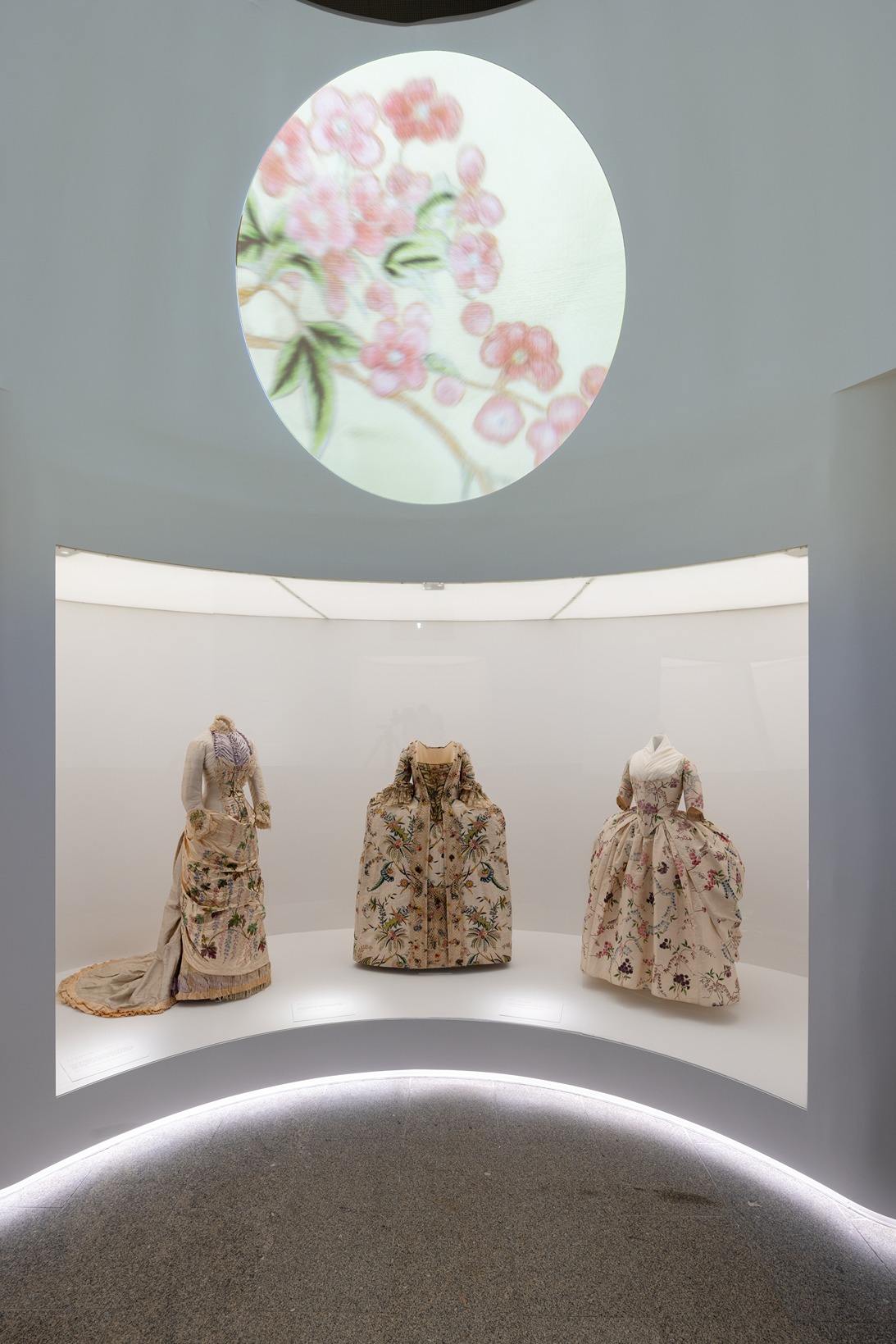
The Metropolitan Museum of Art unveiled The Costume Institute’s spring 2024 exhibition, Sleeping Beauties: Reawakening Fashion. On view from May 10 through September 2, 2024, the exhibition features 220 garments and accessories that are connected visually through nature, which also serves as a metaphor for the transience of fashion. The show will bring to life the sensory capacities of these masterworks through a wide range of encounters: visitors are invited to smell the aromatic histories of hats bearing floral motifs; to touch the walls of galleries that are embossed with the embroidery of select garments; and to experience—via the illusion technique known as Pepper’s ghost—how the “hobble skirt” restricted women’s stride in the early 20th century. Punctuating the galleries are a series of “sleeping beauties”—garments that can no longer be dressed on mannequins due to their extreme fragility.
Bad Bunny, Chris Hemsworth, Jennifer Lopez, Anna Wintour, and Zendaya co-chaired The Costume Institute Benefit (also known as The Met Gala) last evening, which provides the department with its primary source of annual funding for exhibitions, publications, acquisitions, operations, and capital improvements. The dress code for the evening was “The Garden of Time,” and Shou Chew, Chief Executive Officer of TikTok, and Jonathan Anderson, Creative Director of LOEWE, serve as the honorary chairs. Following the event, the decorative centerpiece displayed in the Museum’s Great Hall will remain on view to the public through Tuesday, May 7.
Max Hollein, the Museum’s Marina Kellen French Director and Chief Executive Officer, said: “The Met’s innovative spring 2024 Costume Institute exhibition pushes the boundaries of our imagination and invite us to experience the multisensory facets of a garment—those facets that deteriorate and become lost after entering a museum collection as an object. Sleeping Beauties heightens our engagement with these masterpieces of fashion by evoking what it was like to feel, move, hear, smell, and interact with them when they could be worn, ultimately offering a deeper appreciation of the integrity, beauty, and artistic brilliance of the works on display.”
Exhibition Overview
Sleeping Beauties brings to life objects from The Met collection by reactivating their sensory qualities and re-engaging visitors’ sensorial perceptions through primary research, conservation analysis, and diverse technologies—from artificial intelligence and computer-generated imagery among others.
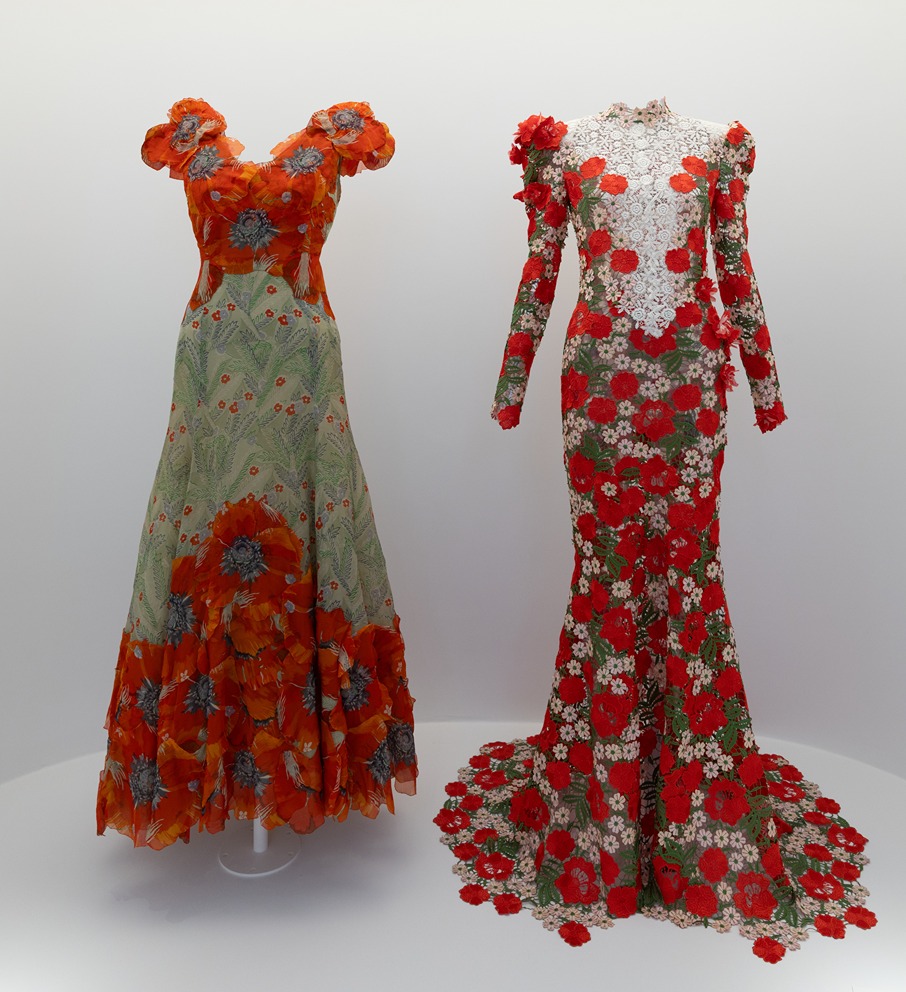
Two hundred and twenty garments and accessories spanning four centuries are on view, visually connected by themes of nature, which serves as a metaphor for the cyclicity and ephemerality of fashion. Punctuating the show are a series of “sleeping beauties”—garments that can no longer be dressed on mannequins due to their extreme fragility—that will be displayed in glass cases, allowing visitors to analyze their various states of deterioration as if under a microscope.
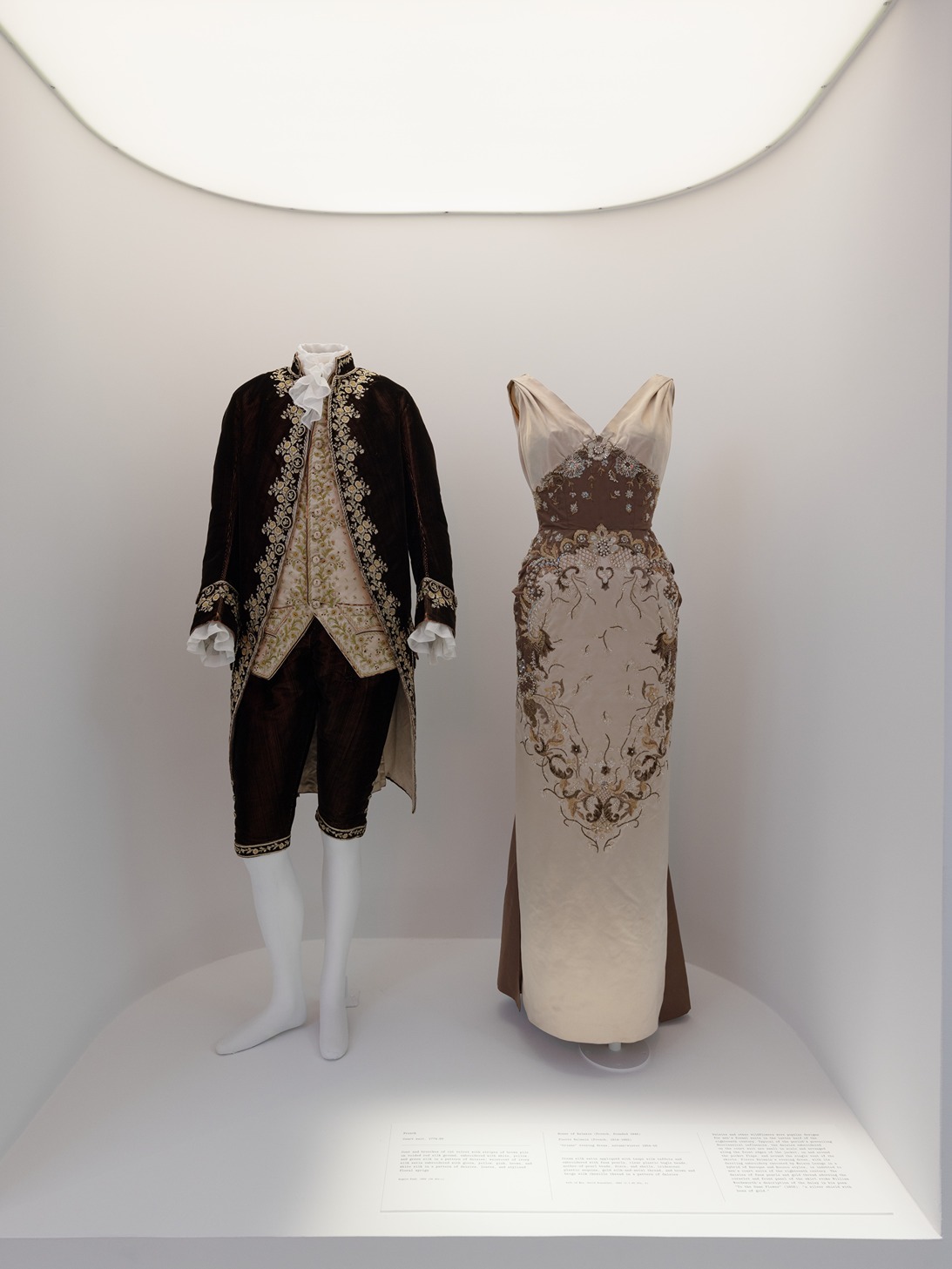
Upon entering the exhibition, visitors will discover a sequence of self-contained galleries organized into three sections focused around earth, air, and water. Presented as individual case studies, each gallery explores a different theme inspired by nature, with historical fashions juxtaposed with contemporary counterparts in an immersive environment intended to engage a visitor’s sense of sight, smell, touch, and hearing.
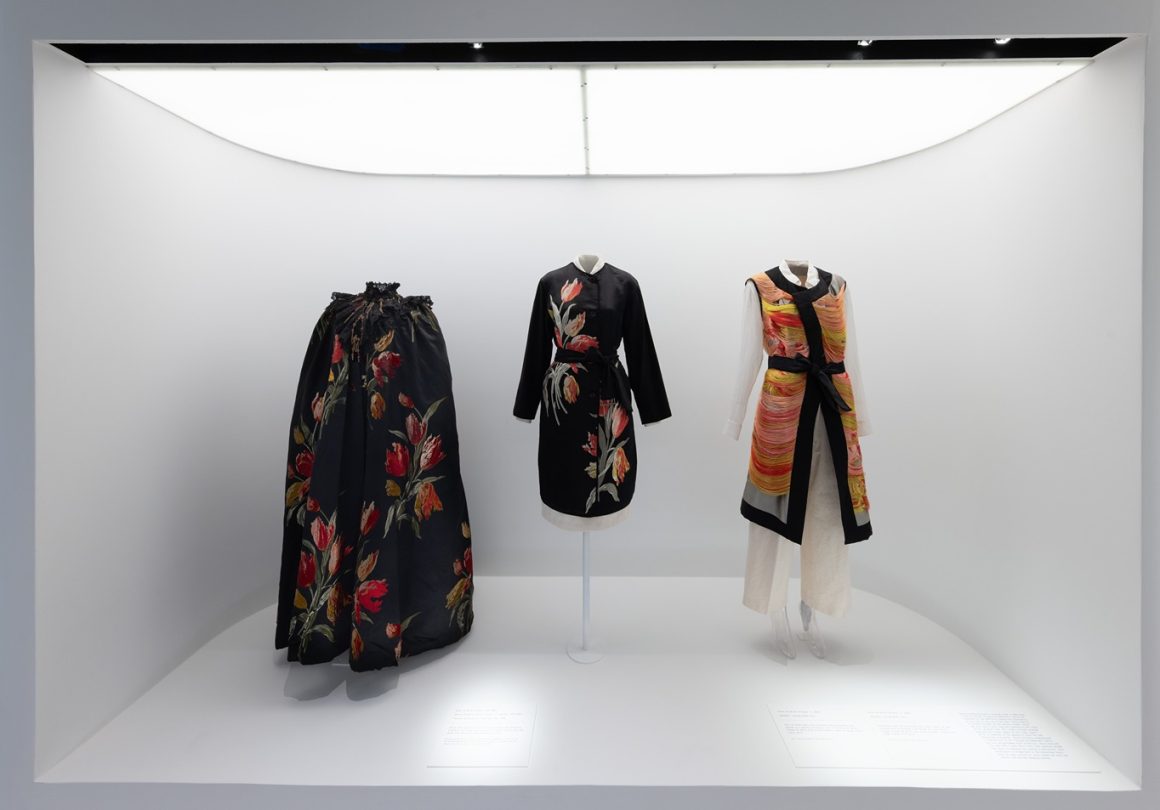
One gallery is arranged as a garden and includes a greenhouse displaying hats blooming with a variety of flowers and surrounded by subtle smellscapes that challenge visitors’ olfactory expectations.
Designers include Cristóbal Balenciaga, Hattie Carnegie, Lilly Daché, Hubert de Givenchy, Deirdre Hawken, Stephen Jones, Guy Laroche, Madame Pauline, Mainbocher, Elsa Schiaparelli, Sally Victor, and others. The gallery also features a coat by Jonathan Anderson for LOEWE, planted with oat, rye, and wheat grass that will start out alive and gradually die during the exhibition.